


Brigham Young University’s (BYU) campus in East Jerusalem, the BYU Jerusalem Center for Near Eastern Studies, is an institution that provides academic and material legitimacy to Israeli control over Palestinian territory. The Center is located on a 5.5-acre plot on the Mount of Olives that was seized by the Israeli government from a Palestinian family trust in 1968, shortly after the 1967 war. In May 1988, BYU President Jeffrey R. Holland and Elder Howard W. Hunter signed a renewable 49-year lease with the Israel Land Authority (ILA). As a result, BYU entered into a direct financial and legal relationship with the occupying power.
The construction of the center itself relied on a “miracle” green zone removal; a green-washed concept that is often weaponized to keep Palestinians from constructing any property of their own. As a major international tenant, BYU contributes significant capital to the Israeli state via lease payments and tourism revenue generated by its students and faculty. In addition, by following Israeli law and paying taxes within East Jerusalem, BYU reinforces the administrative annexation of the city.
The university claims to maintain a policy of “active neutrality”, forbidding its students from engaging in political activity. In reality that policy was adopted due to fears that the center would be used for Christian missionary work while forbidding any moral thought that deviates from Israeli guidelines. BYU is therefore implicitly endorsing the status quo. This is further evidenced by the fact that BYU Law Jerusalem Initiative framed property disputes as “complex issues” rather than addressing the fundamental human rights violations inherent in the occupation.
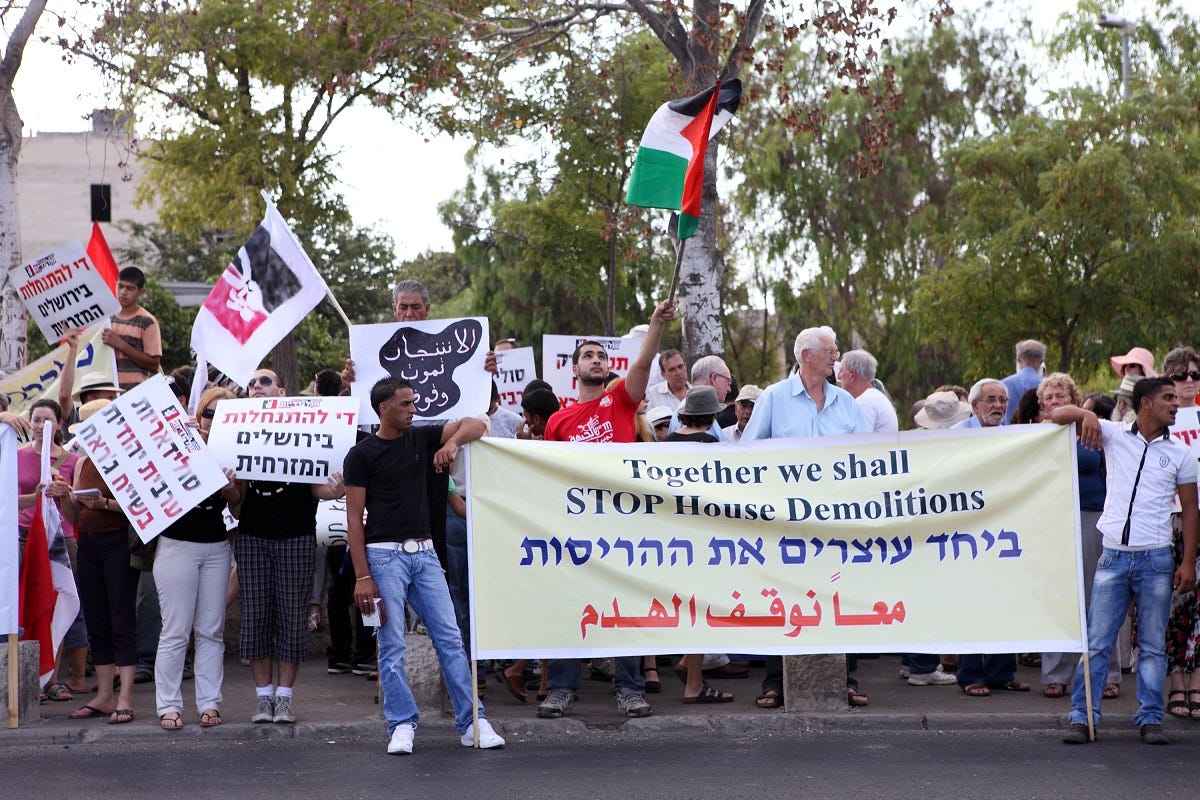
Nearby, BYU’s campus, which is a central hub for archaeological endeavors of the university across Israel, the Silwan neighborhood faces aggressive mass evictions by settler organizations like Elad, which often use archaeological excavations as a legal tool to seize homes. This is part of a broader pattern of Israel expropriating Palestinian property in East Jerusalem. Organizations in Israel such as Emek Shaveh have pointed this out. In 2026 alone, dozens of families in the Batn al-Hawa area of Silwan have been forcibly evicted to make way for Jewish settlers.
BYU’s presence on occupied land therefore normalizes the legal framework that allows for such displacements. As the university operates peacefully on expropriated land, its neighbors are forcibly and ethnically cleansed. It is strange that the university’s characterization of the Israeli occupation of Palestine is “complex”, yet their own presence on Palestinian land seems perfectly acceptable.

